When Footing Depth in Reno Needs To Be Increased
Most builders think footings are just about digging a trench and pouring concrete. Depth in, structure up. But Reno's ground tells a different story — and if you're not listening, you're setting yourself up for failure. The soil here doesn't play by generic rules. Neither does the frost line. And if you treat every site like it's the same, you'll pay for it later when cracks start showing or settling begins.
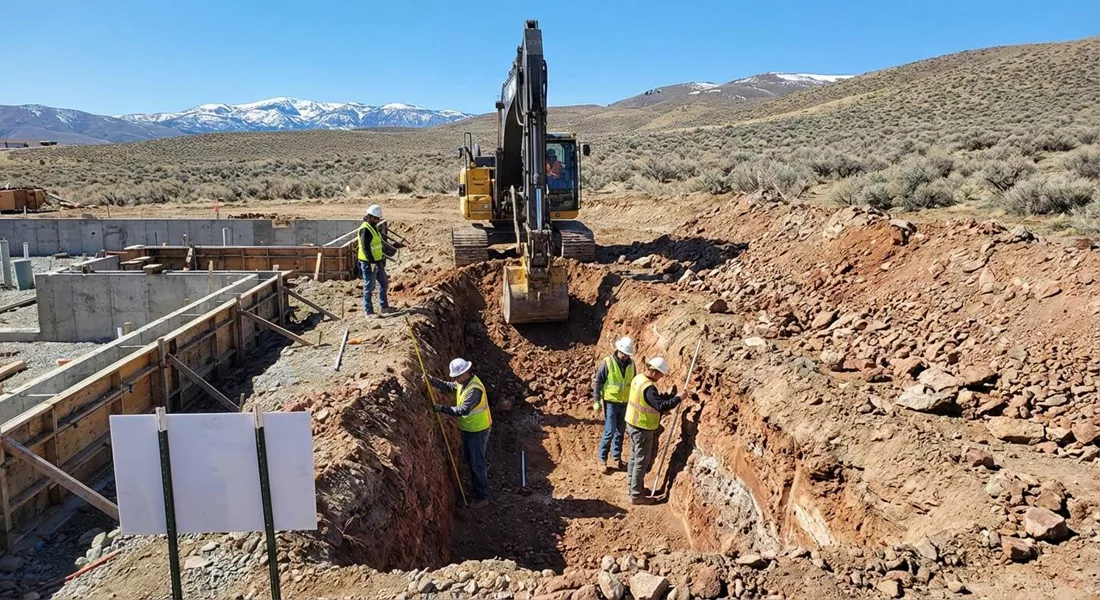
So here's what matters. If you're building something that needs to last, depth isn't negotiable. Every footing should be engineered for the actual conditions below grade. Every decision needs to account for what the soil does when it gets wet, freezes, or shifts. And every project should be grounded in real data — not just what worked on the last job.
Soil Composition Dictates Everything
Reno's ground isn't uniform. You might hit stable gravel on one lot and expansive clay two blocks over. That clay swells when moisture creeps in and shrinks when it dries out. The result? Pressure on your foundation that standard-depth footings weren't designed to handle.
When soil tests reveal expansive or unstable layers near the surface, going deeper isn't optional. You need to reach bedrock or a stable stratum that won't move with the seasons. Skip that step, and you're building on a foundation that's already compromised.
Frost Penetration Changes the Game
Reno winters aren't brutal, but frost still penetrates the ground. When water in the soil freezes, it expands. That expansion pushes upward — a process called frost heave — and it can lift footings right out of position.
The frost line varies depending on elevation and microclimate, but if your footings sit above it, you're asking for trouble. Deeper footings anchor below the freeze zone, eliminating the risk of seasonal movement. It's not about worst-case scenarios. It's about building to the actual conditions your site will face.
Seismic Activity Demands Stability
Reno sits in earthquake country. Not every tremor will be catastrophic, but even moderate seismic activity can destabilize shallow footings. Deeper footings provide better anchorage, distributing lateral forces more effectively and reducing the chance of structural damage.
If your site is in a higher-risk zone, building codes may already require increased depth. But even when they don't, going deeper adds a layer of protection that shallow footings simply can't match. It's about resilience, not just compliance.
Load Requirements Push Footings Lower
Heavier structures need more support. Multi-story buildings, homes with tile or slate roofs, or commercial projects with significant dead loads all place greater demands on the foundation. Standard footing depths may not be sufficient to distribute that weight safely.
Here's where depth becomes critical:
- Multi-level homes require deeper footings to handle vertical loads without settling
- Heavy roofing materials add weight that shallow footings can't support long-term
- Commercial buildings with equipment or storage loads need engineered depth calculations
- Additions to existing structures may require matching or exceeding original footing depth
- Retaining walls and grade changes often demand deeper footings on the downhill side
Sloped Lots Create Uneven Pressure
Building on a slope introduces complications that flat lots don't have. The downhill side of the foundation bears more lateral pressure from the soil above. If footings aren't deep enough on that side, the structure can shift or settle unevenly over time.
Stepped footings are common on slopes, but each step needs to be deep enough to resist sliding and provide stable bearing. Cutting corners here leads to cracking, misalignment, and expensive repairs down the line. Proper grading work ensures that slopes are prepared correctly before foundation work begins.
High Water Tables Complicate Bearing Capacity
When the water table sits close to the surface, it reduces the soil's bearing capacity. Saturated soil can't support the same loads as dry soil, and footings placed too shallow may sink or shift as moisture levels fluctuate.
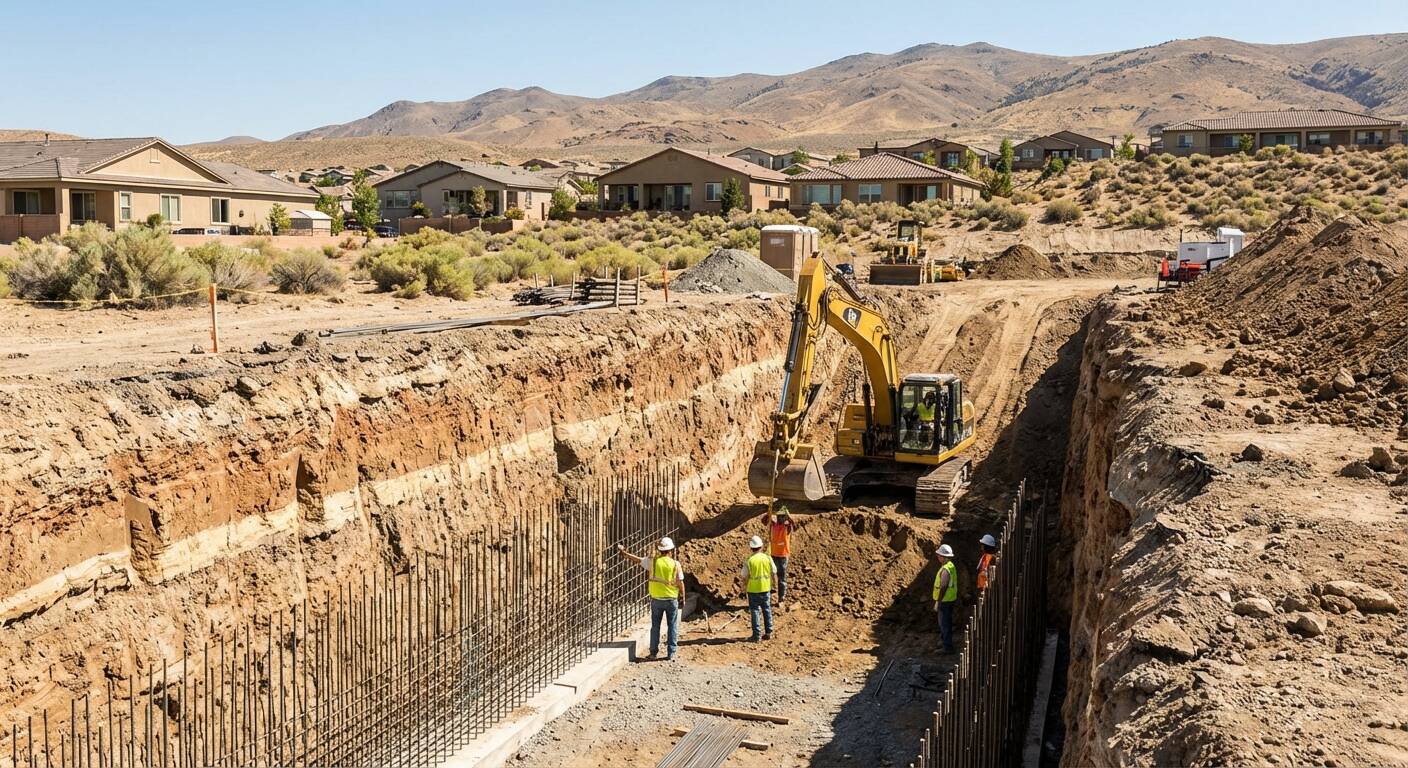
Deeper footings help by reaching soil layers that remain stable even when groundwater is present. In some cases, drainage systems or waterproofing measures are also necessary, but depth is the first line of defense. Professional excavation ensures that footings reach the appropriate depth for stable soil conditions.
Code Requirements Aren't Suggestions
Local building codes in Reno specify minimum footing depths based on soil type, seismic risk, and frost penetration. These aren't arbitrary numbers. They're based on engineering data and regional conditions.
If your site has unique challenges — expansive soil, high water table, or steep slope — the code may require deeper footings than the standard minimum. Ignoring those requirements doesn't just risk structural failure. It can also void permits, delay inspections, and create liability issues.
When Existing Foundations Need Help
Sometimes increased footing depth isn't about new construction. It's about fixing problems with existing structures. Settling, cracking, or movement often indicates that the original footings weren't deep enough for the site conditions.
Underpinning is the process of deepening footings beneath an existing foundation. It's invasive, expensive, and time-consuming — but it's often the only way to stabilize a structure that's already showing signs of failure. Catching these issues early makes the fix less painful.
Testing Beats Guessing Every Time
You can't eyeball soil conditions. A geotechnical engineer conducts soil tests to determine bearing capacity, composition, moisture content, and expansion potential. That data drives every decision about footing depth.
Here's what proper site analysis should include:
- Soil borings to identify layers and composition at various depths
- Bearing capacity tests to determine how much weight the soil can support
- Moisture and expansion testing for clay-heavy soils
- Frost depth analysis based on local climate data
- Seismic risk assessment for the specific site location
Professional Engineering Isn't Optional
Determining the right footing depth requires expertise. Structural engineers and geotechnical consultants analyze site conditions, calculate loads, and design footings that meet code and performance standards. Skipping this step to save money is a gamble that rarely pays off.
Licensed professionals in Reno understand the region's soil quirks, seismic risks, and climate challenges. They know when to go deeper and how to design footings and foundations that won't fail. That knowledge protects your investment and keeps your project on solid ground — literally.
Common Mistakes That Cost Money
Builders and homeowners make predictable errors when it comes to footing depth. Here's where most projects go wrong:
- Assuming standard depth works everywhere without testing the soil
- Ignoring frost line requirements because winters seem mild
- Cutting footing depth to save on excavation costs
- Failing to account for slope or drainage issues
- Skipping engineering analysis to speed up permitting
Documentation Protects Your Project
Once you've determined the correct footing depth, document everything. Soil reports, engineering calculations, and inspection records all serve as proof that the work was done right. If issues arise later — or if you sell the property — that documentation becomes critical.
Keep copies of:
- Geotechnical reports with soil test results and recommendations
- Structural engineering plans showing footing depth and specifications
- Building permits and inspection approvals
- Contractor invoices and work records
- Photos of excavation and footing placement before concrete is poured
When to Bring in the Experts
If your site has challenging soil, a steep slope, or a history of foundation problems, don't go it alone. A qualified team helps you navigate the complexities and avoid costly mistakes.
Professionals provide:
- Accurate soil analysis and bearing capacity calculations
- Engineered footing designs that meet code and site conditions
- Guidance on drainage, waterproofing, and seismic reinforcement
- Inspection oversight to ensure work is done correctly
- Documentation that protects you during permitting and resale
Building Smart Means Building Deep
Increasing footing depth in Reno isn't about overbuilding. It's about responding to real conditions that affect structural integrity. Soil composition, frost penetration, seismic risk, and load requirements all factor into the equation. Ignoring any of them creates vulnerabilities that show up later as cracks, settling, or worse.
The right depth isn't a guess. It's a calculation based on data, engineering, and local expertise. Get it right from the start, and your foundation will support your structure for decades. Cut corners, and you'll be dealing with repairs that cost far more than doing it properly the first time. For comprehensive construction services that prioritize proper foundation work, partnering with experienced professionals ensures your project is built on solid ground. Whether you need flood and erosion control measures or expert guidance on foundation depth requirements, working with qualified contractors makes all the difference in long-term structural performance.
Let’s Build on a Solid Foundation Together
When it comes to footing depth in Reno, there’s no substitute for experience and local know-how. We’re here to make sure your project stands the test of time, no matter what the soil or weather throws your way. If you’re ready to get started or have questions about your site, give us a call at 775-997-8271. Let’s take the next step—request a quote and see how we can help you build with confidence.
‹ Back
Recent Posts
-
Are Retaining Walls in Reno Needed for Steep Lots
March 26, 2026
-
Installing a New Water Service Line in Reno Homes
March 12, 2026
-
How Sewer Line Slope Requirements Work in Reno Builds
February 26, 2026
-
When Footing Depth in Reno Needs To Be Increased
February 12, 2026
-
Is Grading on Reno Construction Sites Done Before Utilities
January 29, 2026