Installing a New Water Service Line in Reno Homes
Reno homeowners don't think much about the pipe running from the street to their house — until it fails. That's when low pressure, rusty water, or a flooded yard forces the issue. Your water service line isn't glamorous, but it's critical. And when it goes bad, replacement isn't optional.
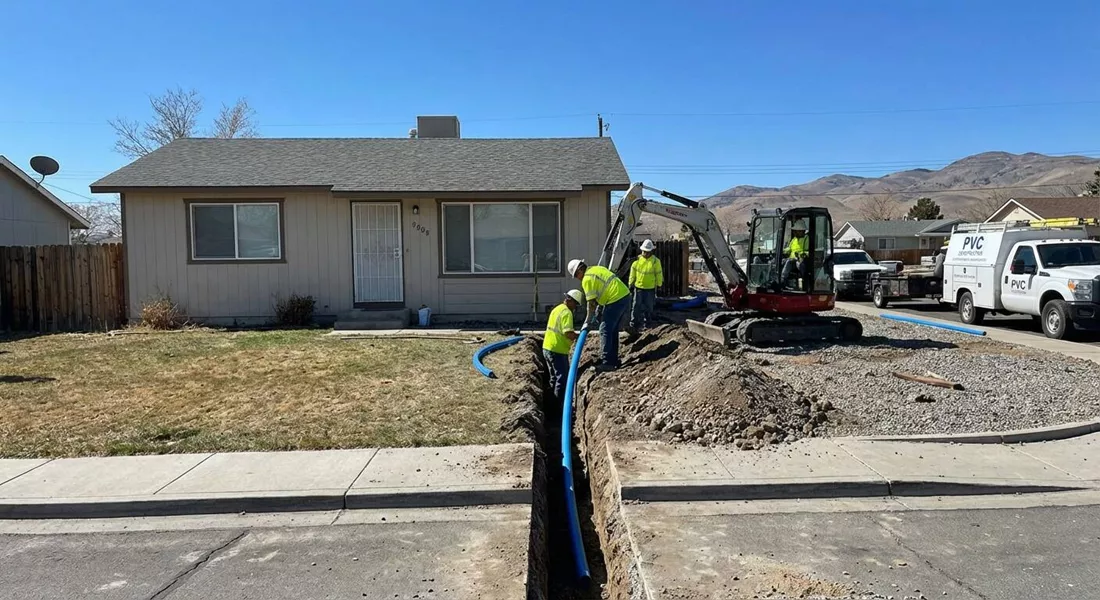
Most homes built before the 1980s are sitting on galvanized steel or even lead pipes. Those materials corrode. They crack. They leak contaminants into your drinking water. If your line is original to the house, it's probably overdue. The question isn't whether you'll replace it — it's whether you'll do it on your terms or after a rupture floods your foundation.
The Warning Signs Don't Wait
Your water line talks before it breaks. Pressure drops across every faucet. Water comes out brown or metallic. Wet patches show up in the yard for no reason. Your bill climbs even though usage didn't change. These aren't quirks — they're symptoms of a failing system.
Ignoring them doesn't make them go away. It just means you're gambling with water damage, mold, and a repair bill that grows every month. A licensed plumber can scope the line and tell you what's left. If the answer is "not much," it's time to act.
What the Job Actually Involves
Replacing a water service line isn't a weekend DIY project. It's a permitted, regulated process that requires coordination with the city, utility companies, and a contractor who knows Reno's soil and code requirements. Here's what happens when it's done right.
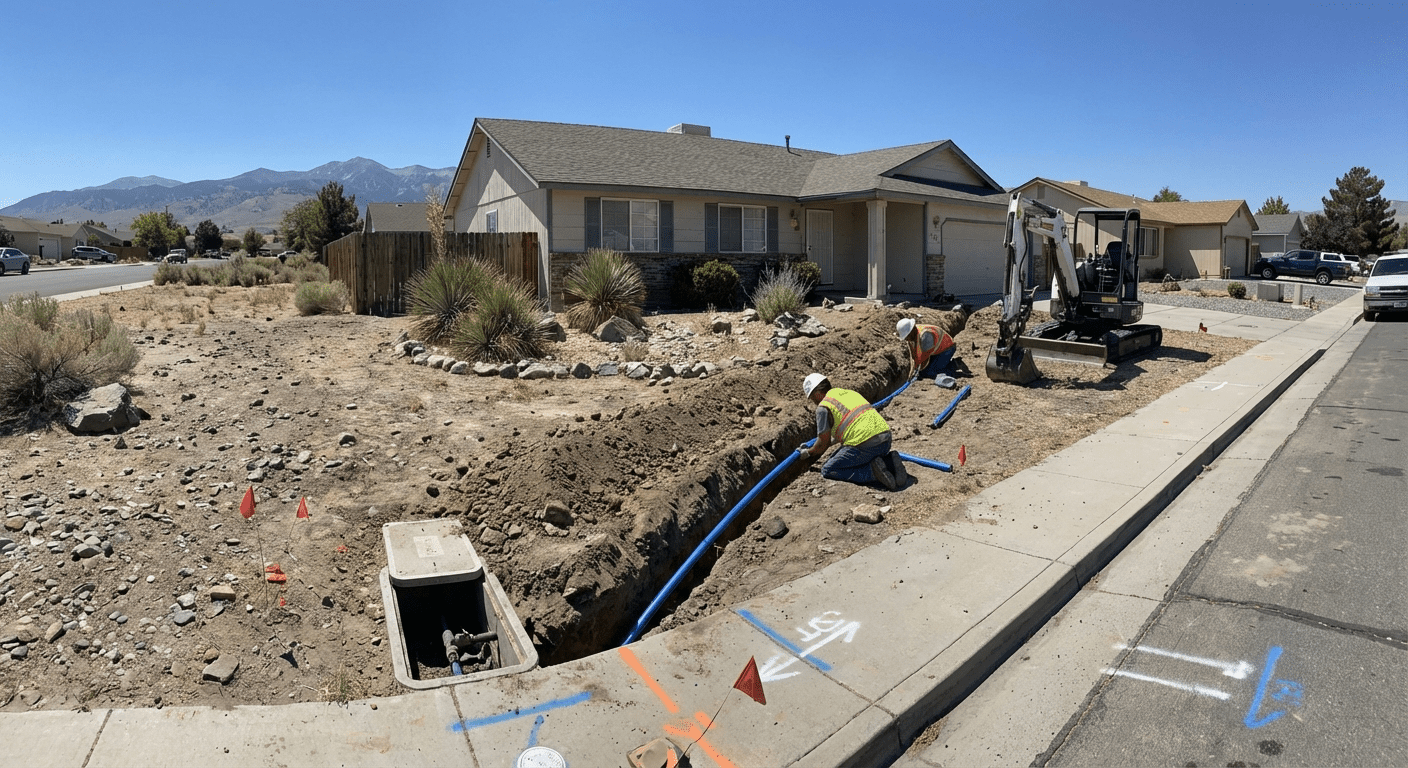
First, the plumber assesses your property and maps the route from the meter to your main shutoff. They pull permits through the city and arrange utility locates so no one digs into a gas line or fiber optic cable. Then they choose materials — usually copper or high-density polyethylene — based on your property's layout and local standards.
- Excavation begins after all utilities are marked and permits are in hand
- Trenching runs from the street meter to your home's entry point
- Trenchless methods like pipe bursting can reduce landscape damage in tight spaces
- New pipe is laid, connected, and pressure-tested before backfill
- Restoration includes grading, reseeding, or repaving disturbed areas
Material Choices Matter More Than You Think
Not all pipe is created equal. Copper has been the standard for decades — it's durable, resists corrosion, and handles Reno's temperature swings. High-density polyethylene is newer, flexible, and immune to rust. Both work. Both last. The choice depends on your property's conditions and your plumber's recommendation.
What you don't want is another round of galvanized steel or any remnant of lead. Those materials are done. If your contractor suggests reusing old pipe or patching sections, find a different contractor.
Trenchless Options Save Your Yard
Traditional trenching tears up driveways, sidewalks, and landscaping. Trenchless technology minimizes that. Pipe bursting breaks the old line while pulling the new one through the same path. Directional boring creates a narrow tunnel without disturbing the surface. Both cost more upfront, but they save on restoration and keep your property intact.
If you've got mature trees, hardscaping, or irrigation systems in the way, trenchless methods are worth the premium. You'll spend less fixing what didn't get destroyed.
Permits and Inspections Aren't Negotiable
Reno requires permits for water line replacement. Your contractor handles the paperwork, but you're responsible if they don't. The city inspects the work before backfill to ensure it meets code. If the inspection fails, the trench stays open until it's fixed.
This isn't red tape — it's protection. Permitted work is documented, insured, and compliant. Unpermitted work is a liability that follows your property and can kill a sale.
What You Gain From a New Line
A new water service line doesn't just fix problems — it eliminates them. Pressure returns to normal. Water runs clear. Leaks stop. Your home's plumbing system operates the way it was designed to, without fighting corrosion or blockages.
- Water quality improves immediately with no rust or lead contamination
- Full pressure restores flow to every fixture in the house
- Modern materials resist cracking, freezing, and root intrusion
- Code compliance protects your investment and satisfies buyers
- Long-term reliability means decades without another replacement
Picking the Right Plumber
Not every plumber does service line work. You need someone licensed, insured, and experienced with Reno's soil conditions and municipal requirements. Check reviews. Ask for references. Get a detailed estimate that includes permits, materials, labor, and restoration.
A good contractor explains the process, answers questions, and doesn't rush you into a decision. A bad one skips permits, lowballs the estimate, and disappears when problems surface. Choose carefully. Professional excavation services are essential for proper installation, and experienced teams understand how to navigate underground utilities safely while coordinating with local authorities.
The Numbers You'll See
Expect to pay between $2,000 and $5,000 for a standard replacement, depending on distance, materials, and site conditions. Trenchless methods push that higher, but they cut restoration costs. Complex jobs with obstacles or deep lines cost more. Simple, straight runs cost less.
Get multiple quotes. Compare what's included. Don't pick the cheapest bid if it skips permits or uses substandard materials. This isn't a job you want to do twice.
Timing Matters
Don't wait for a rupture to force your hand. If your line is old, showing symptoms, or flagged during a home inspection, schedule the replacement on your timeline. Winter freezes and summer heat make the job harder. Spring and fall offer better conditions and faster turnaround.
- Frozen ground slows excavation and increases labor costs
- Extreme heat stresses crews and delays curing times for certain materials
- Moderate weather allows faster work and cleaner restoration
- Scheduling ahead avoids emergency rates and rushed decisions
- Proactive replacement prevents water damage and foundation issues
Your Water Line Is Infrastructure, Not an Afterthought
Reno homes depend on a single pipe to deliver clean water every day. When that pipe fails, everything stops. Replacing it isn't glamorous, but it's one of the smartest investments you can make in your property. It protects your health, your home, and your wallet.
If your line is aging out or already causing problems, don't wait for a crisis. Professional grading services ensure proper drainage and site preparation during installation, while comprehensive construction services handle every aspect of the project from start to finish. Call a licensed plumber, get an assessment, and handle it before the ground gets wet. The work takes days. The peace of mind lasts decades.
Let’s Secure Your Water Supply Together
We know how important it is to have a reliable water line for your Reno home, and we’re here to make the process smooth from start to finish. If you’re ready to upgrade your water service line or just want an honest assessment, let’s talk it through. Give us a call at 775-997-8271 and let’s get your project moving. When you’re ready to take the next step, request a quote and we’ll help you protect your home for years to come.
‹ Back
Recent Posts
-
Are Retaining Walls in Reno Needed for Steep Lots
March 26, 2026
-
Installing a New Water Service Line in Reno Homes
March 12, 2026
-
How Sewer Line Slope Requirements Work in Reno Builds
February 26, 2026
-
When Footing Depth in Reno Needs To Be Increased
February 12, 2026
-
Is Grading on Reno Construction Sites Done Before Utilities
January 29, 2026