Should I Install a Retention Basin on My Reno Property?
Most property owners in Reno think stormwater is someone else's problem. Until it's not. Until runoff carves channels through your yard or floods your neighbor's driveway — and suddenly you're the one fielding complaints. Retention basins aren't glamorous. They don't boost curb appeal like a new fence or fresh paint. But they do something more important: they keep water where it belongs and out of places it shouldn't be.
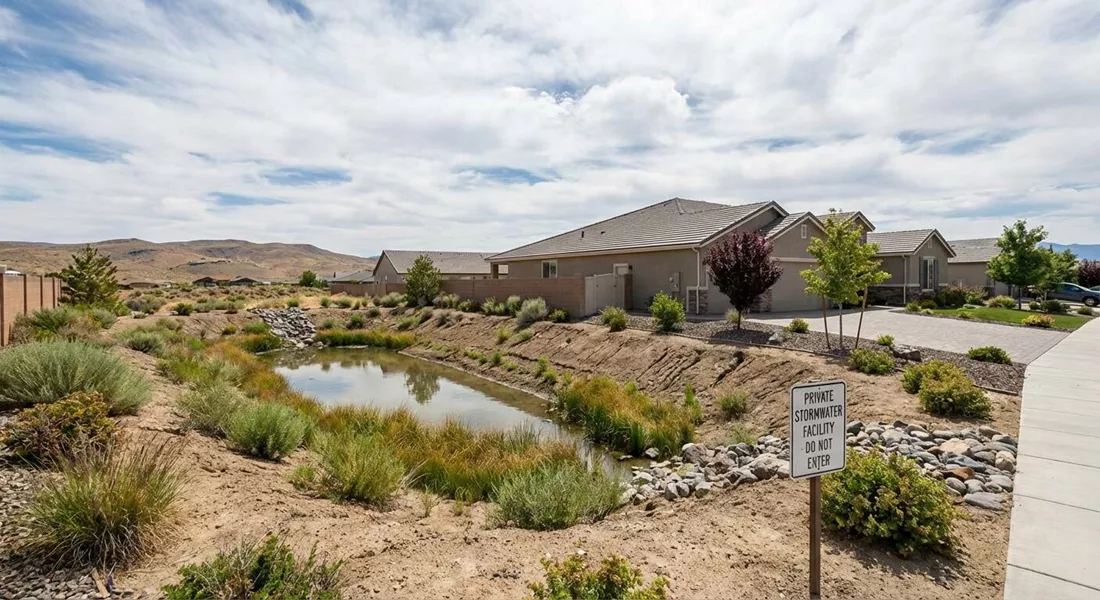
So here's the reality. Reno's climate doesn't play fair. Long dry stretches harden the ground, then monsoon-style storms dump inches in minutes. That water has to go somewhere. If your property sits on a slope, has clay-heavy soil, or covers a lot of pavement, you're already in the crosshairs. A retention basin might be the difference between managing the problem and becoming it.
What a Retention Basin Actually Does
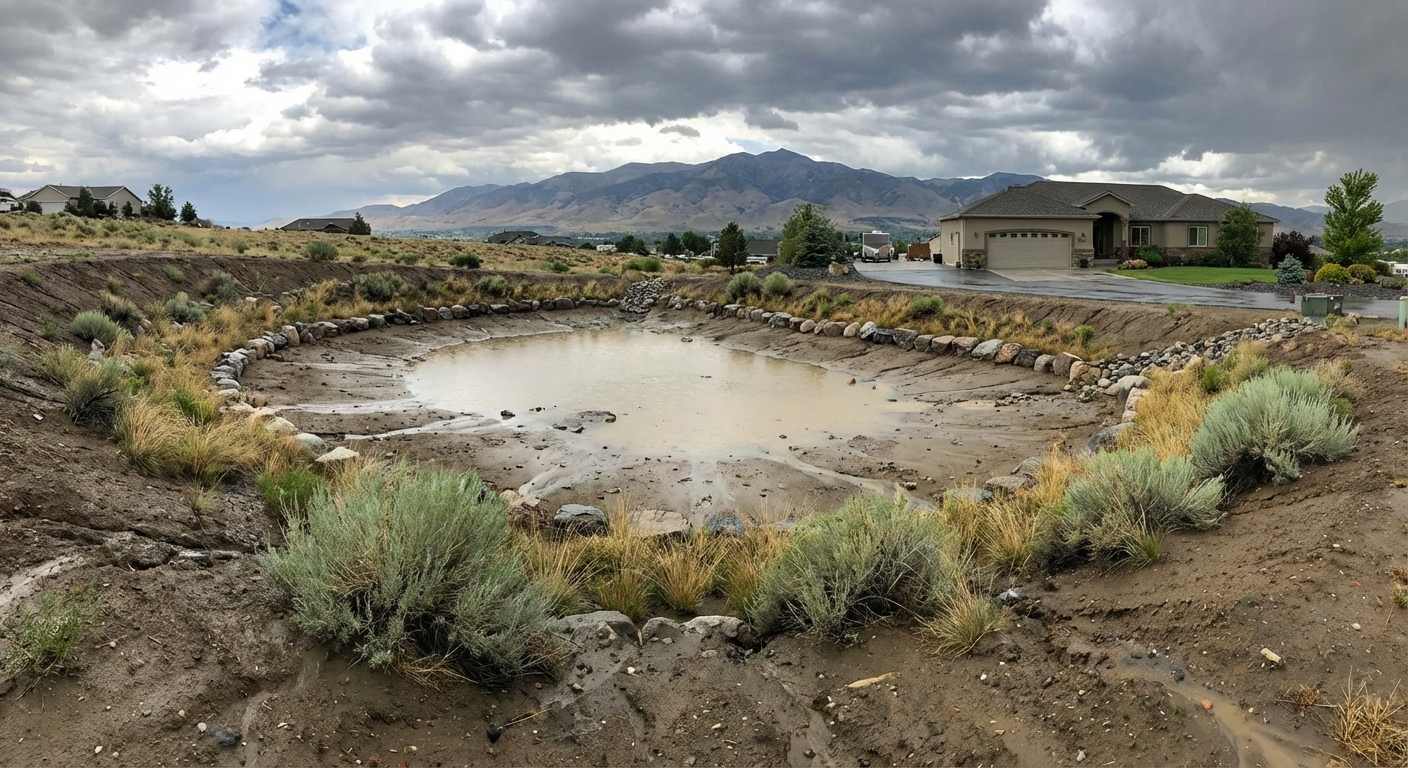
A retention basin is a permanent holding area for stormwater. It's not a ditch. It's not a decorative pond. It's engineered to capture runoff, let sediment settle, and allow water to soak into the ground or evaporate over time. Unlike detention basins that release water downstream, retention basins hold it on-site. That means less flooding, less erosion, and cleaner water entering the aquifer.
The design matters. A poorly planned basin becomes a mosquito farm or a liability. A well-executed one blends into your landscape, supports local wildlife, and quietly does its job every time it rains. The difference comes down to soil permeability, basin depth, and how you manage vegetation around the edges.
Why Reno Properties Face Unique Challenges
Reno sits in a high-desert zone where the ground doesn't absorb water like it does in wetter climates. When storms roll through, the soil can't keep up. Runoff races across driveways, rooftops, and hardscapes, picking up speed and volume. That's when you see flash flooding in low-lying areas or erosion cutting through yards.
Add in the fact that many Reno properties have compacted soil or steep grades, and you've got a recipe for trouble. Retention basins give that water a place to pause. They reduce peak flow rates, protect downstream properties, and recharge groundwater — something this region desperately needs during drought drought years. Professional grading can help direct water flow properly toward retention areas.
The Upside of Installing One
- Flood prevention on your property and surrounding lots by capturing excess stormwater before it causes damage
- Water quality improvement as sediments and pollutants settle out instead of washing into streams or storm drains
- Groundwater recharge that helps replenish local aquifers, especially critical in drought-prone areas
- Wildlife habitat creation when designed with native plants and shallow edges that attract birds and beneficial insects
- Potential property value boost if the basin is well-maintained and integrated into your landscaping
The Downsides You Can't Ignore
- Ongoing maintenance including debris removal, vegetation management, and periodic inspections to ensure proper function
- Space consumption that can eat into usable yard area, especially on smaller lots
- Safety risks from standing water, particularly for young children and pets without proper barriers
- Mosquito breeding potential if water becomes stagnant and isn't managed with proper drainage or biological controls
- Upfront and recurring costs for excavation, grading, planting, and long-term upkeep
What You Need to Know Before Breaking Ground
Don't assume you can just dig a hole and call it done. Reno and Washoe County have regulations around stormwater management, and you'll need to check whether your project requires permits or must meet specific design standards. Soil type matters too. If your property has sandy loam, water will infiltrate quickly. If it's heavy clay, you'll need a larger basin or supplemental drainage.
Topography plays a role as well. Sloped properties naturally channel water, which can work in your favor — or against you if the basin isn't positioned correctly. Budget for both installation and maintenance. A retention basin isn't a set-it-and-forget-it feature. It needs attention, especially after heavy storms when debris piles up or vegetation overgrows. Proper excavation is essential to create the correct basin depth and shape.
When a Retention Basin Makes Sense
- Your property has significant impervious surfaces like driveways, patios, or large rooftops that generate heavy runoff
- You're located on a slope where water naturally flows across your land and toward neighboring properties
- Local regulations or homeowner association rules require stormwater management for new construction or major renovations
- You're dealing with recurring erosion or flooding issues that simpler solutions like gutters or grading haven't solved
- You have enough space to dedicate to a basin without sacrificing essential yard use or access
Common Mistakes Property Owners Make
The biggest error is underestimating maintenance. A retention basin isn't a one-time fix. Sediment builds up. Plants grow wild. Debris clogs inlets. If you don't stay on top of it, the basin stops working — or worse, becomes a hazard. We've seen property owners install basins and then ignore them for years, only to face flooding again because the system couldn't handle the load.
Another mistake is poor placement. If the basin sits too close to your foundation or in an area with poor drainage, you're creating new problems instead of solving old ones. Work with a civil engineer or landscape professional who understands Reno's soil and climate. Don't wing it based on a YouTube video. Proper flood and erosion control planning is critical for long-term success.
Getting Professional Input
- Consult a civil engineer to assess your property's hydrology and determine the right basin size and location
- Check with local authorities about permitting requirements and design standards before starting any excavation
- Hire a contractor experienced in stormwater management, not just general landscaping, to ensure proper construction
- Plan for long-term maintenance by budgeting for periodic cleanouts and vegetation control
- Consider integrating native plants that thrive in wet-dry cycles and support local ecosystems
Making the Call
A retention basin isn't the right answer for every Reno property. But if you're dealing with runoff issues, sitting on a slope, or facing regulatory requirements, it's worth serious consideration. The key is understanding what you're signing up for — not just the installation, but the ongoing responsibility. Done right, a retention basin protects your property, supports the local water table, and keeps you off the hook when the next storm rolls through. If you need expert guidance, contact us to discuss your specific stormwater management needs.
At the end of the day, stormwater management isn't optional in Reno. It's a question of whether you handle it proactively or reactively. A retention basin gives you control. It's not flashy, but it works — and and that's what matters when the skies open up.
Let’s Take the Next Step Together
Managing stormwater in Reno is a challenge, but it’s one we don’t have to face alone. If you’re ready to protect your property and invest in a solution that lasts, let’s talk about how we can help you design and install the right retention basin for your needs. Give us a call at 775-997-8271 or request a quote today to get started on a plan that keeps your property safe and dry for years to come.
‹ Back
Recent Posts
-
Are Retaining Walls in Reno Needed for Steep Lots
March 26, 2026
-
Installing a New Water Service Line in Reno Homes
March 12, 2026
-
How Sewer Line Slope Requirements Work in Reno Builds
February 26, 2026
-
When Footing Depth in Reno Needs To Be Increased
February 12, 2026
-
Is Grading on Reno Construction Sites Done Before Utilities
January 29, 2026